How can we motivate residents to adopt sustainable behaviors and make low-impact living attractive, easy and engaging?
Smart home apps focus on monitoring but fail to inspire behavioral change. With RECAPP and Ecotopia we focused on making sustainable living personally rewarding instead of guilt-driven.
Smart Systems Engineer
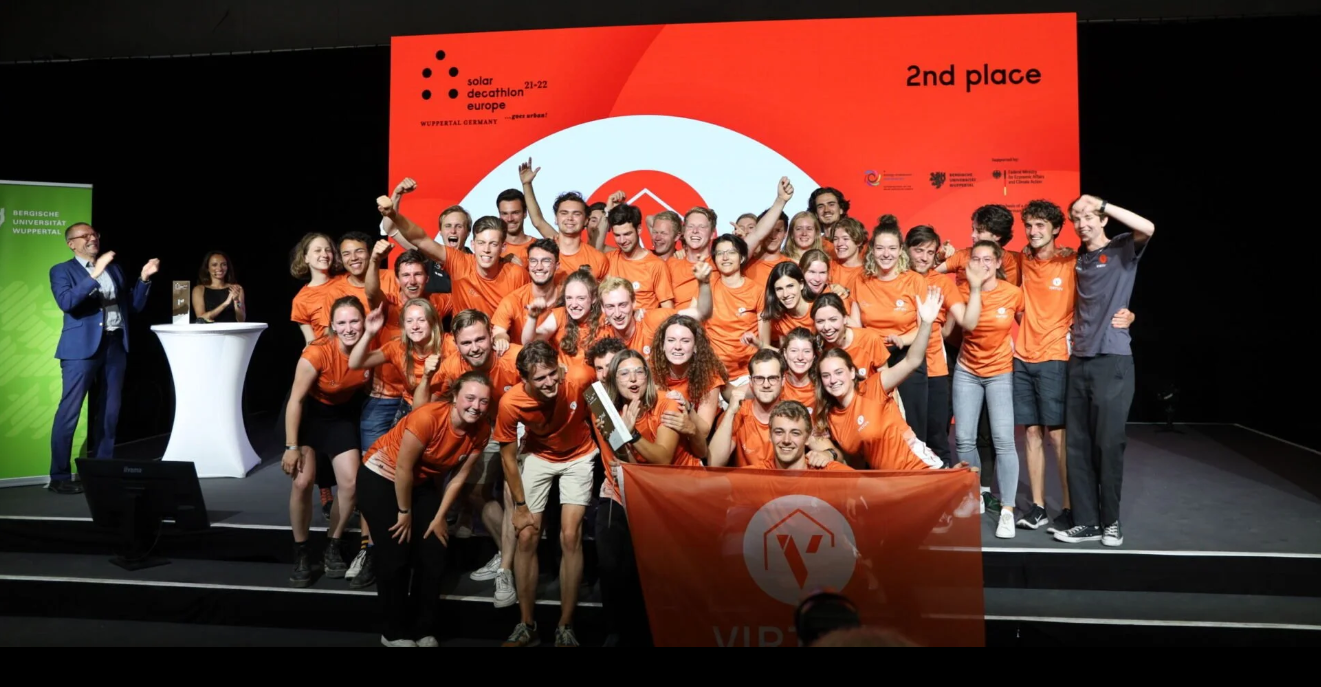
Full UX/UI ownership together with a teammate, from user research through design and testing, within a multidisciplinary team of 40+ from architecture, engineering, and sustainability. This project was for an international student building competition, the Solar Decathlon Europe. Our team placed 2nd out of 18 competitors.

RECAPP
RECAPP is a mobile companion app for residents of a smart solar-powered home. It combines three layers: real-time energy monitoring connected to EQUI (the house system), remote control of appliances, and Ecotopia: a gamified virtual world that rewards sustainable daily behaviors with Ekkies (eco coins). The app makes sustainability feel like something you are building.
Ecotopia
Ecotopia is designed to create intrinsic motivation through ownership and progress. The virtual world grows as a reflection of the user's sustainable actions, creating emotional investment. Every completed challenge earns Ekkies that visibly grow their world. Seeing a neighbor's more developed Ecotopia adds healthy social comparison.
Working in a multidisciplinary team of 40+ taught me how to work effectively with team members of diverse backgrounds, culturally and educationally. Translating design decisions to engineers and architects and collaborating with external companies for technical advice taught me to communicate design thinking in ways that people can understand and trust. The competition deadline also meant working under serious pressure with a real physical deliverable at the end. I left the project with a much stronger sense of how collaborate successfully in a big interdisciplinary team.

Want the full story — research, design decisions, and Ecotopia in detail?
↓ Scroll down to read the detailed case study
Solar Decathlon Europe
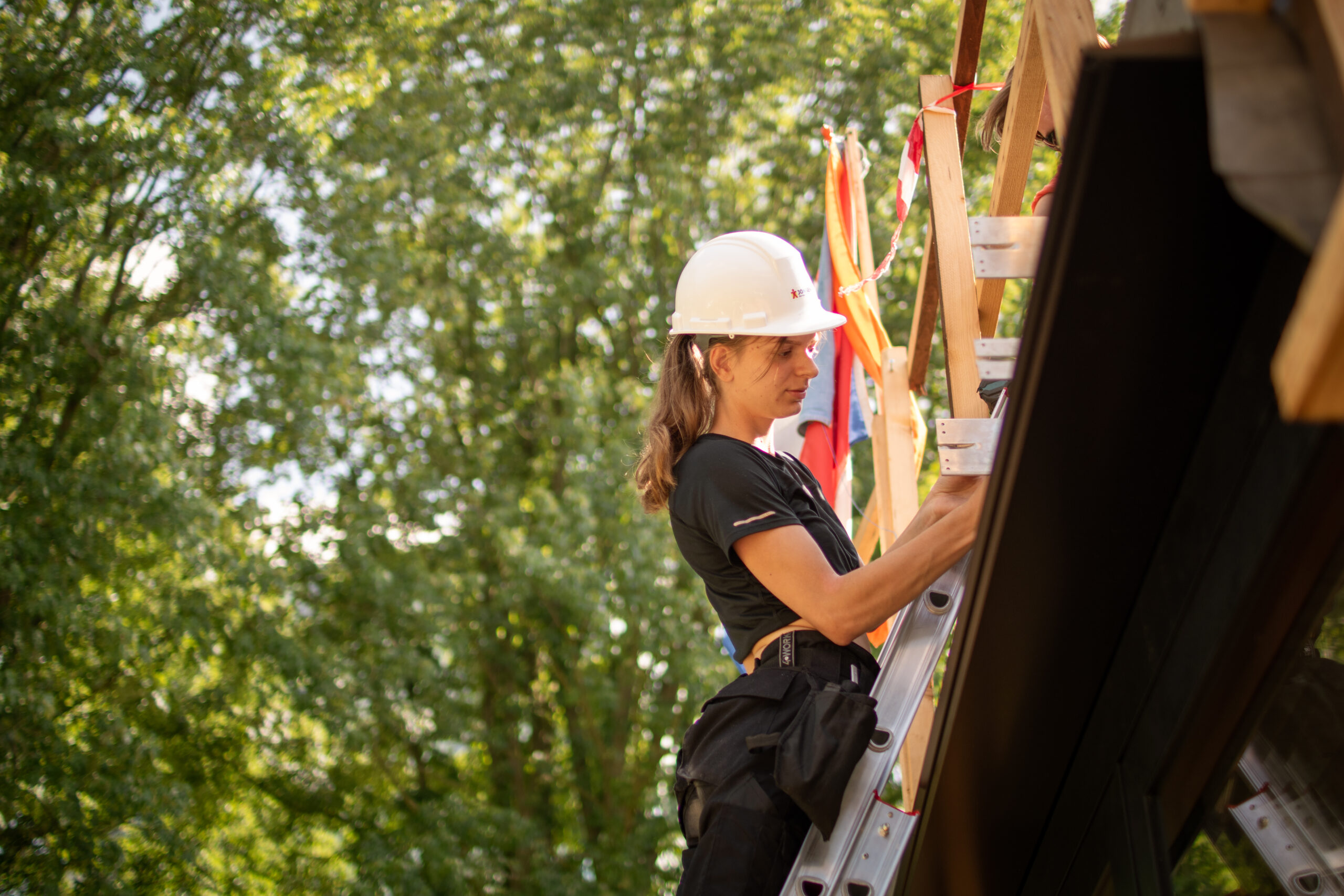
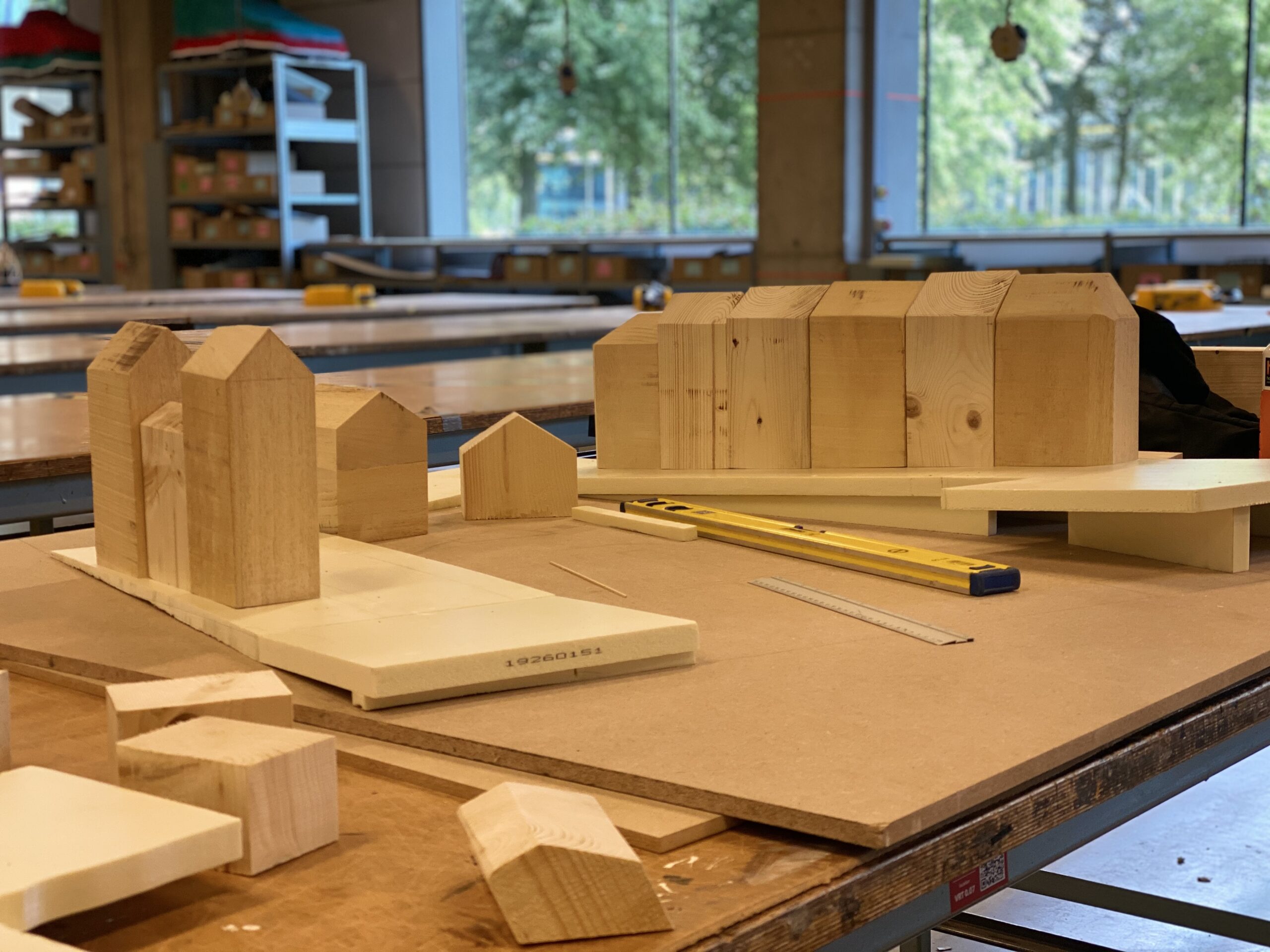
Team VIRTU/e is a multidisciplinary student team at Eindhoven University of Technology, competing in the Solar Decathlon Europe 2022 in Wuppertal, Germany. SDE is an international competition where university teams design, build, and operate highly efficient solar-powered houses. VIRTU/e achieved 2nd place overall, with Gold medals for House Functioning, Urban Mobility, and several out-of-competition awards for sustainable housing and human-centered design.
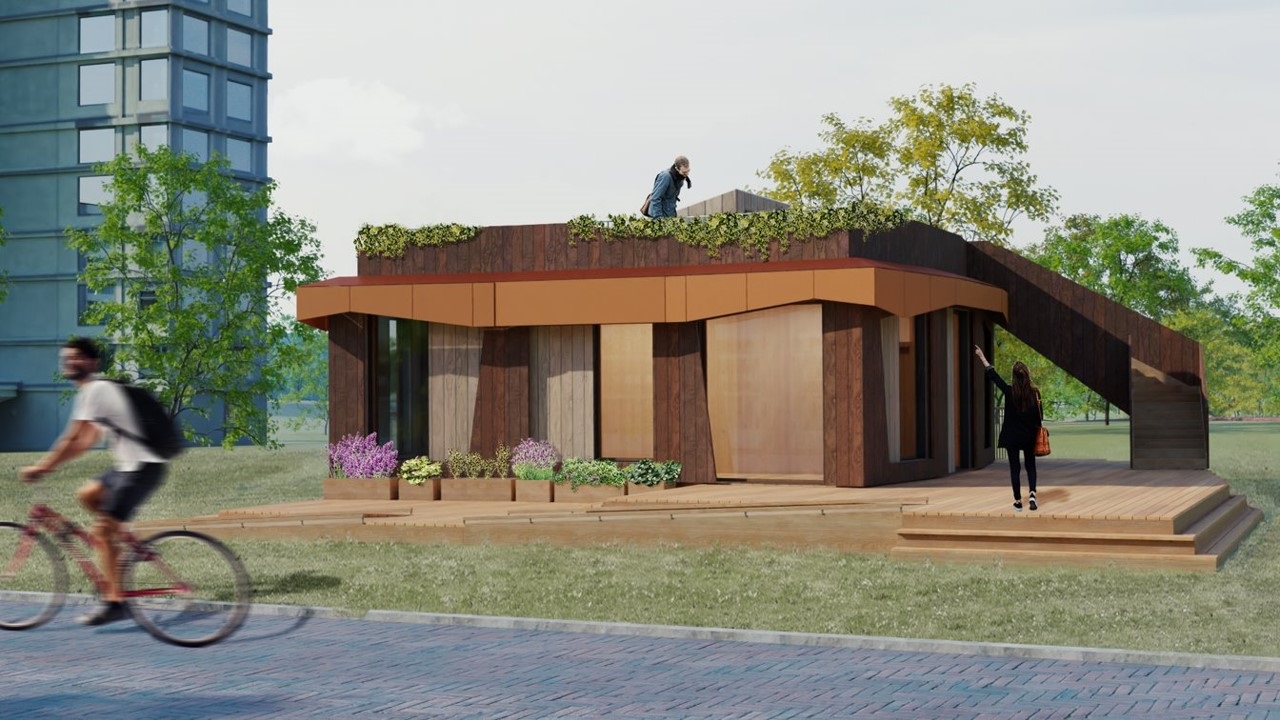
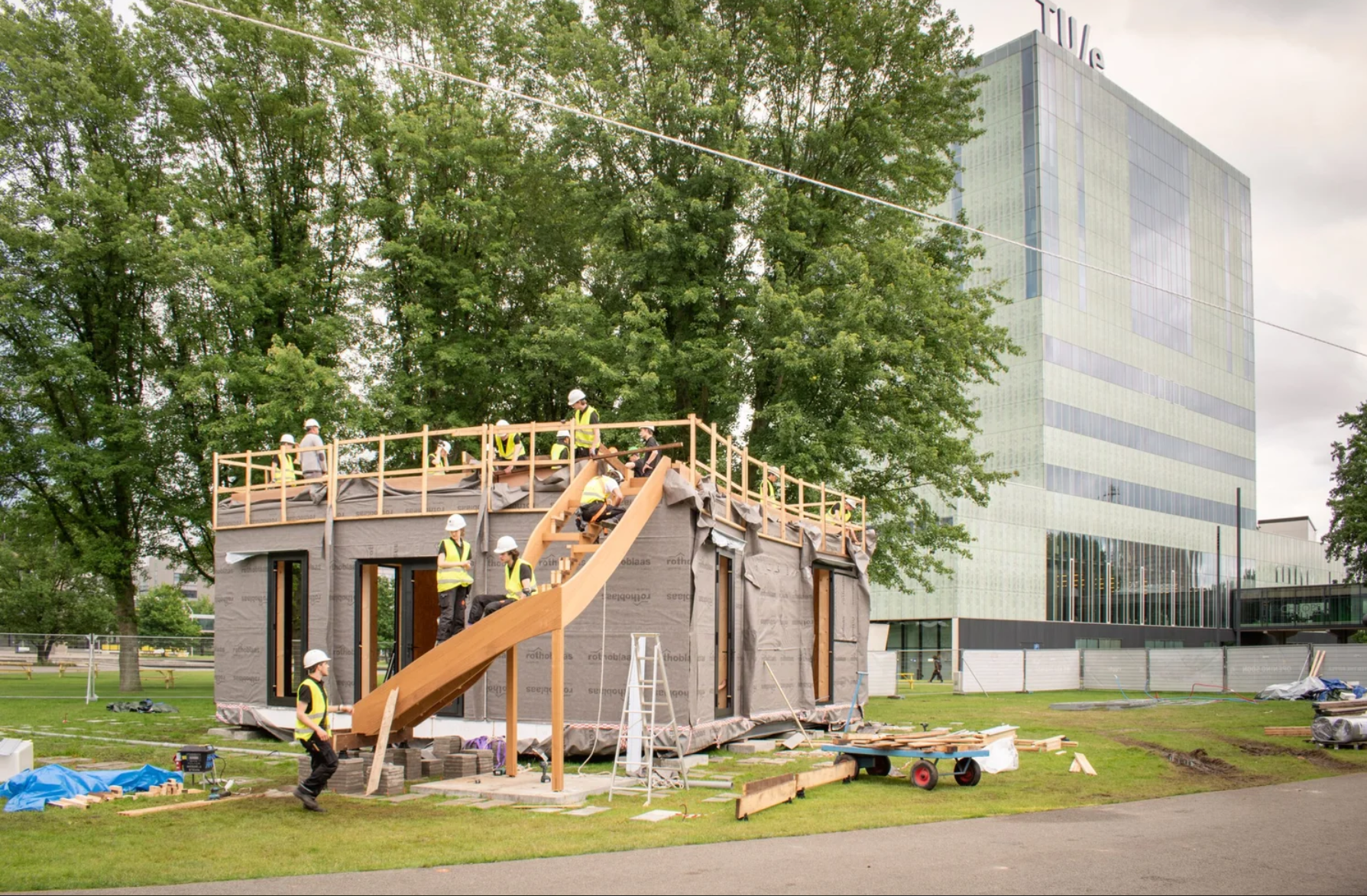
The Ripple Concept: Inspired by the ripple effect, our project "Ripple" is a modular extension for flat-roof buildings that promotes sustainable living through smart design. The building features three layers (fixed, flexible, and free), communal spaces for sharing resources, and an integrated smart home system for energy optimization.
The Smart Home Ecosystem
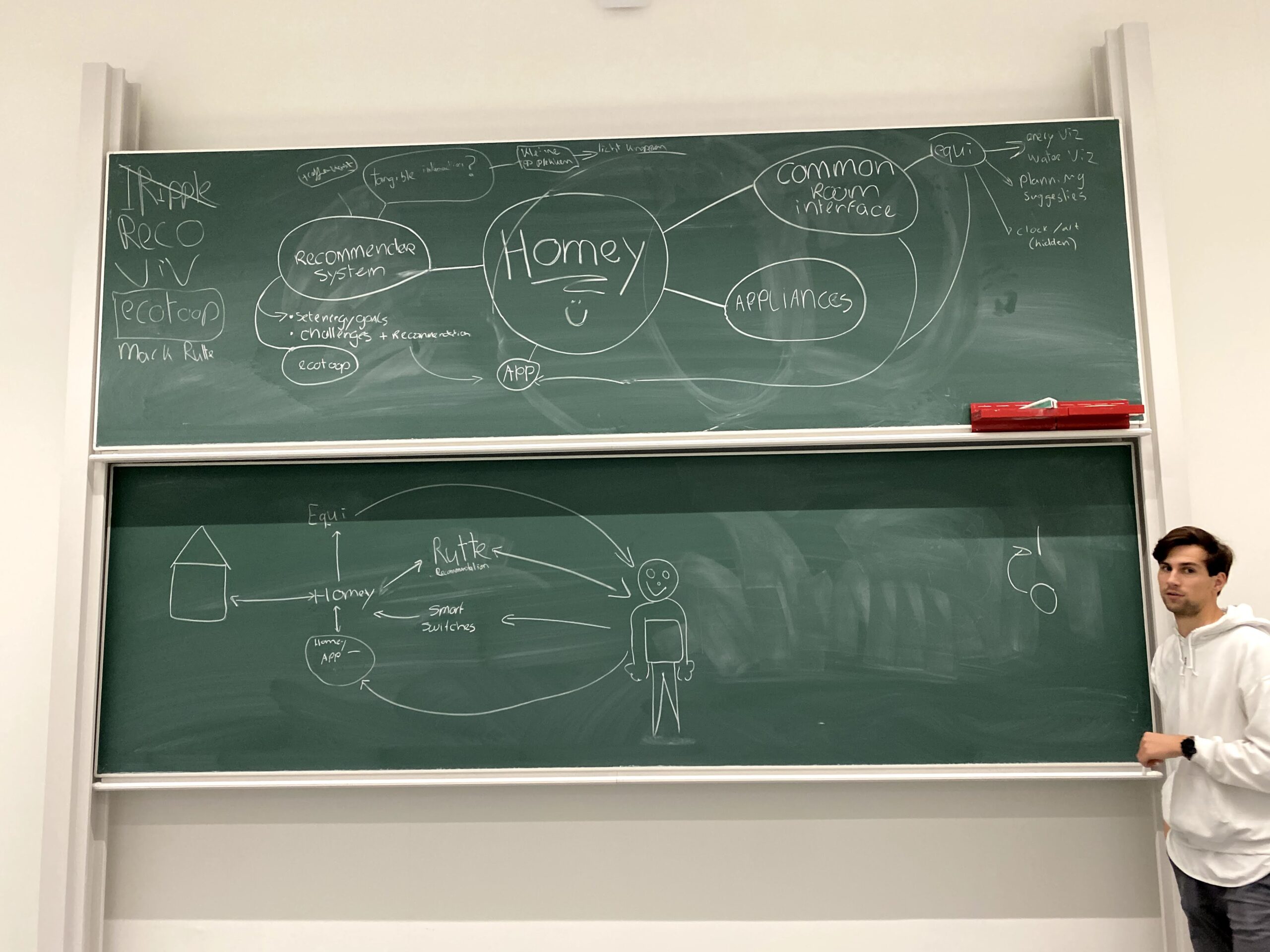
The Ripple house featured an integrated smart home system designed to bridge the gap between energy production and consumption. Two components worked together to cover both the shared and personal dimensions of sustainable living.
EQUI
An interactive display in the communal room for scheduling shared appliances at optimal times. Reducing peak energy load through collective behavior.
RECAPP
A mobile app for individual residents. It combines personal consumption monitoring, remote appliance control, and a gamified layer to motivate sustainable daily behavior.

Normalizing Low-Impact Living
While EQUI optimizes energy at the system level, the goal of RECAPP is to engage individual residents and motivate sustainable behaviors. The challenge consists of:
- Make consumption visible and understandable to any user
- Provide remote control of home appliances
- Create intrinsic motivation for sustainable lifestyle choices beyond energy scheduling
Traditional smart home apps focus on control and monitoring but fail to inspire behavioral change. With RECAPP, we want to make sustainable actions personally rewarding.
How can we motivate residents to adopt sustainable behaviors and make low-impact living attractive, easy and engaging?
RECAPP's Design
The project addresses a behavioral gap: people understand that sustainable behavior is good, but understanding rarely changes habits. RECAPP is designed to bridge that gap by making sustainable behavior personally rewarding, visually engaging, and socially connected without feeling like an obligation.
The conceptualization started with three research topics: understanding EQUI's technical capabilities and data outputs, studying behavior change theory, and conducting user research. Rather than designing features separately, these three aspects were combined to define what RECAPP needed to do at a conceptual level. This three-layer structure was defined:
Monitor
Real-time energy, water, and electricity consumption data extracted from EQUI. Making residents aware of and able to understand the impact of their daily choices.
Control
Remote control of house appliances (lights, heating, connected devices). Giving residents control over their home increases engagement with sustainability goals.
Motivate
Ecotopia: the gamified layer that rewards sustainable actions with Ekkies (eco coins), a virtual world to build, and real-world rewards. The primary reason to open the app.
Home Screen
The home screen shows today's challenges, appliance controls, a preview of the Ecotopia world, and the monthly progress bar. The aesthetic is designed to feel organic and personal, deliberately different from the cold, data-heavy look of most smart home interfaces. The colour palette is based on natural environments: greens, blues, earth tones.
A significant design decision during wireframing was putting Ecotopia on the app's home screen rather than the monitoring dashboard. Starting with energy data risks demotivating users who are performing poorly. Starting with the Ecotopia world sets a constructive tone and invites users in before asking them to reflect on their consumption.

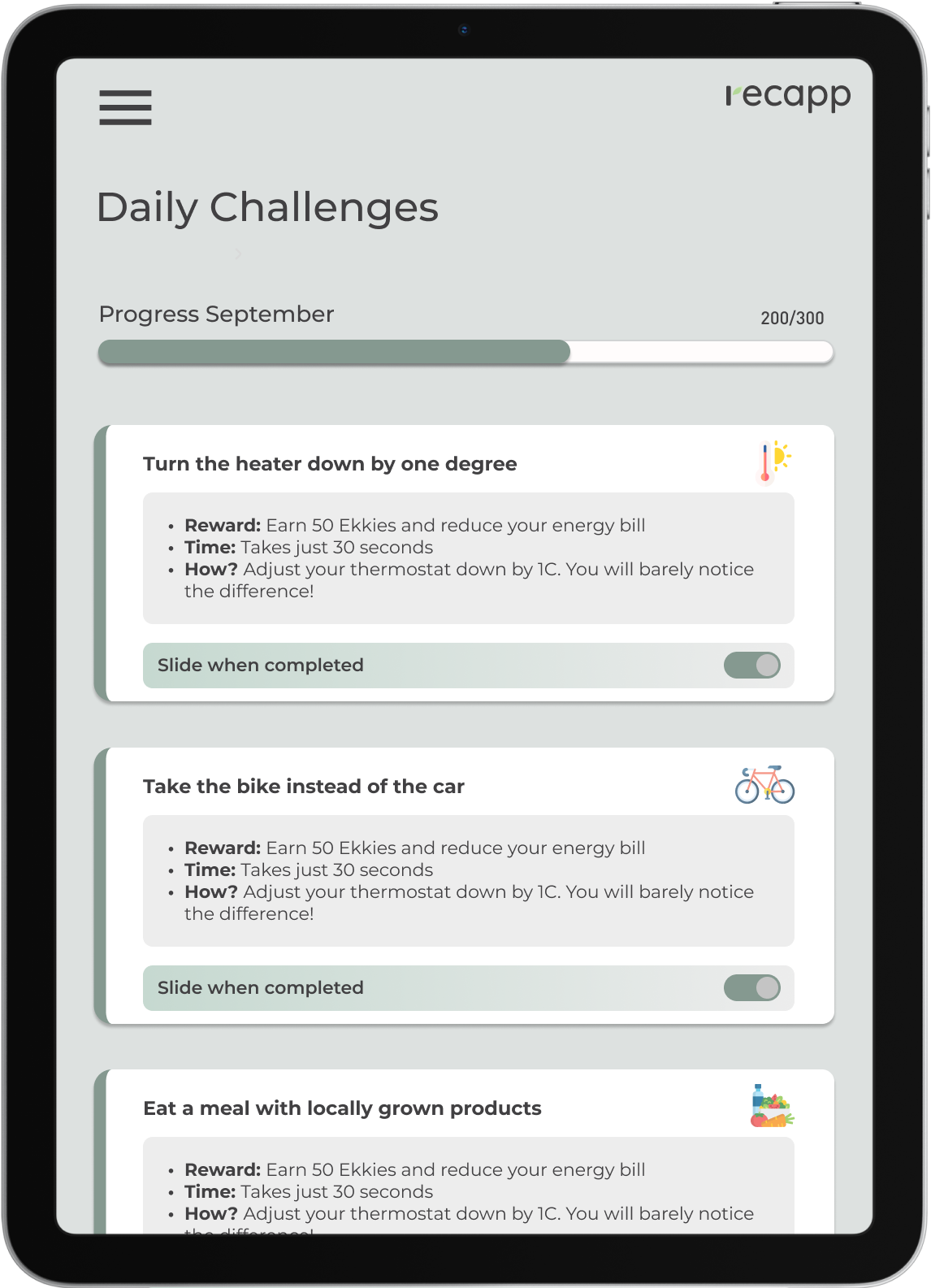
Daily Challenges
Each day, five challenges are suggested (with mixed difficulty levels, 'easy' and ' hard' ones) with advice on how to complete it, time estimate, and Ekkie reward. The difficulty levels (1–3) were calibrated using questionnaire data: participants rated how difficult they perceived each sustainable actios. The levels therefore reflect how the target group experiences effort, not our own assumptions.
The user marks whether they completed each challenge. Some behaviors can be measured by EQUI, but many (f.e. food choices) can not. The design relies on an honor system: there is barely any personal gain in lying, and the user is not punished for not completing a challenge.
Challenges are intentionally specific and small. Research on habit formation shows that concrete, low-effort actions are far more likely to be completed and repeated than ambitious but vague goals.
The specific number of challenges to complete that month is set by the user themselves. Self-set goals have significantly higher completion rates than externally imposed ones. There is no punishment for failure, removing pressure while maintaining motivation.
Consumption Insights
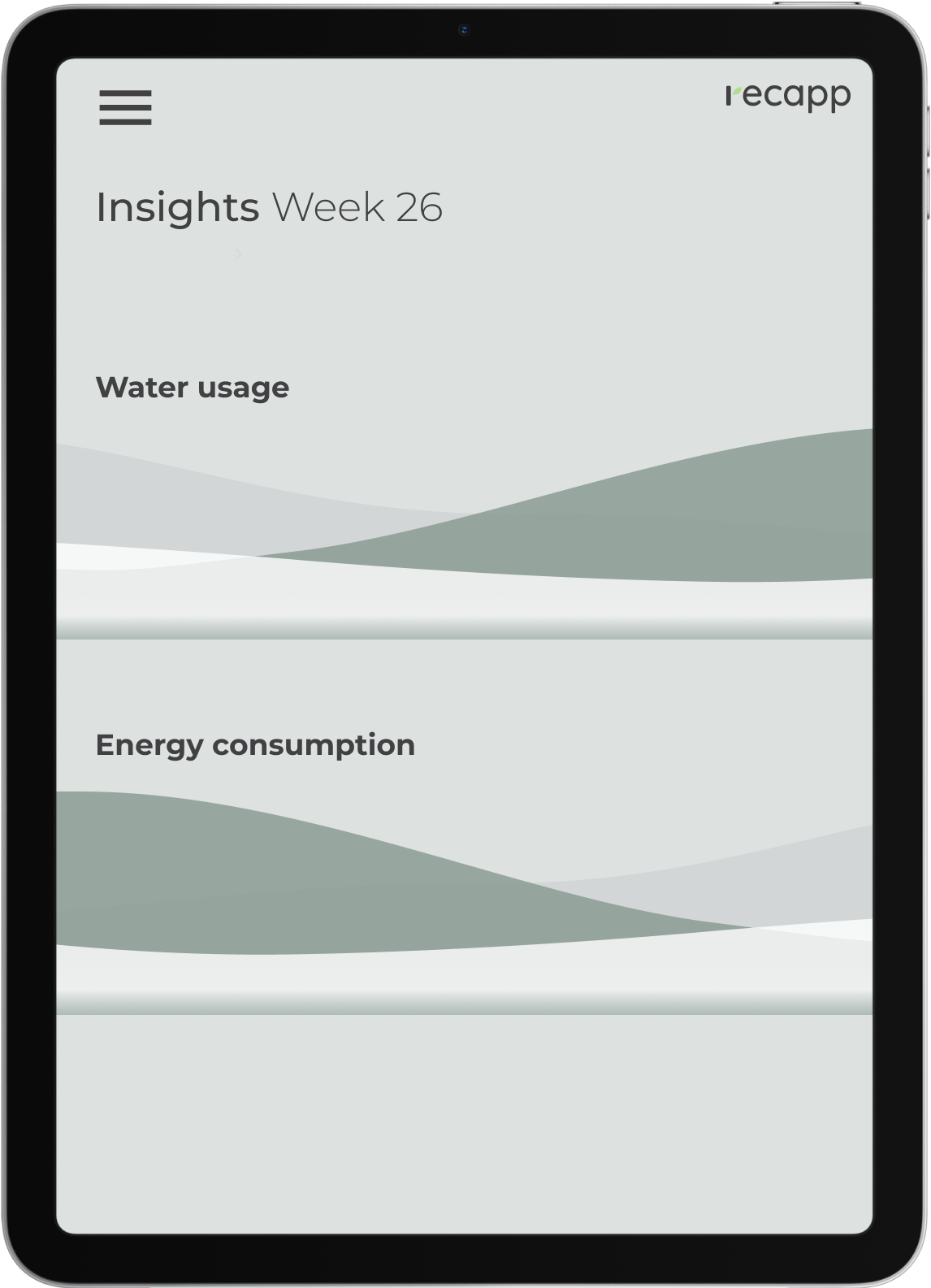
The insights screen pulls real-time data from EQUI to visualise water usage and energy consumption over time. Bar charts are the standard for energy dashboards for good reason: they are precise, scannable, and understandable. RECAPP is a motivation system rather than a utility tool. The wave-form visualisation was chosen to show trends and direction rather than exact values, making the user feel like they are part of a living system. For users who do want the exact numbers, tapping the wave reveals the underlying data.
Ecotopia: your virtual sustainable world
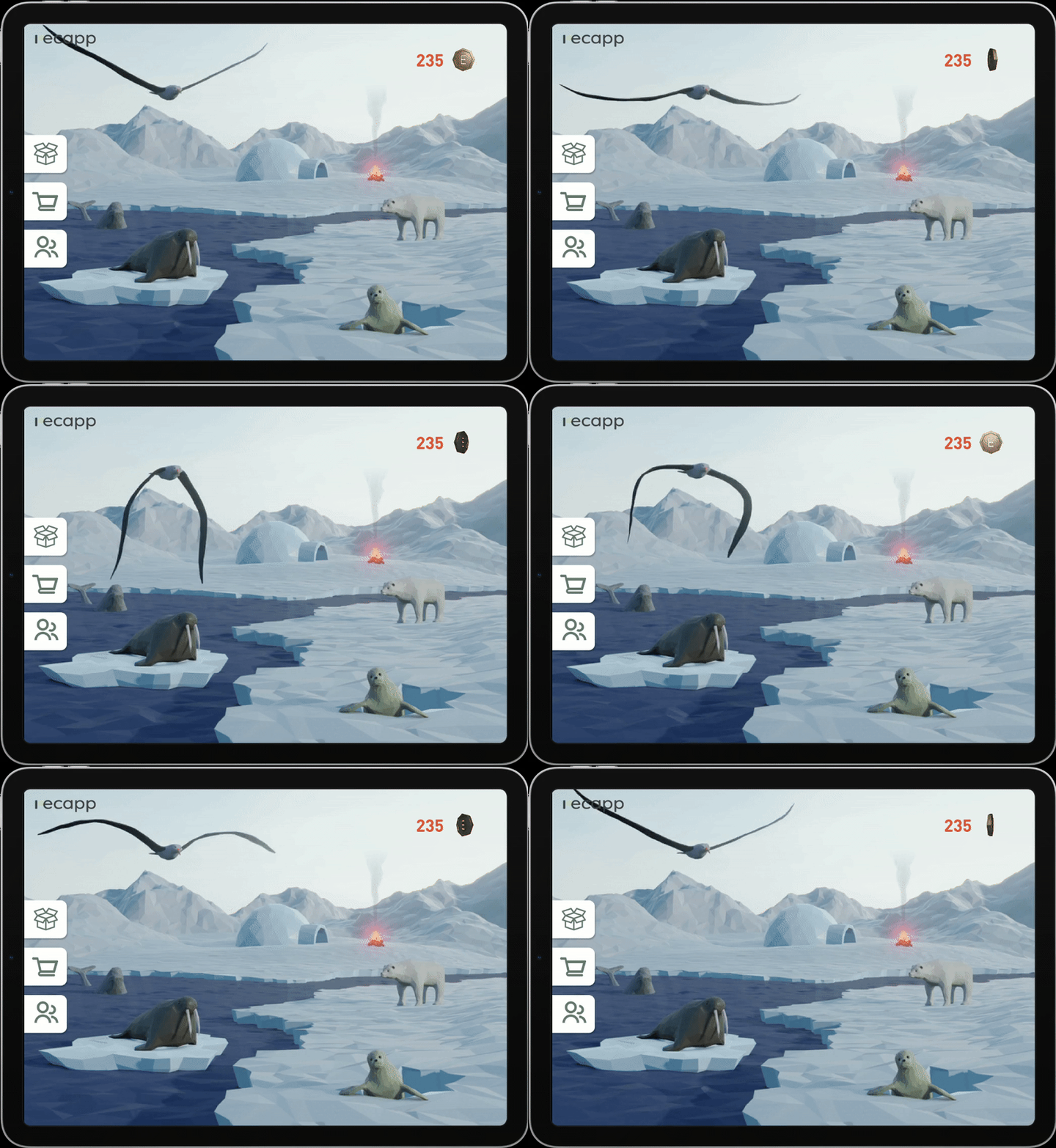
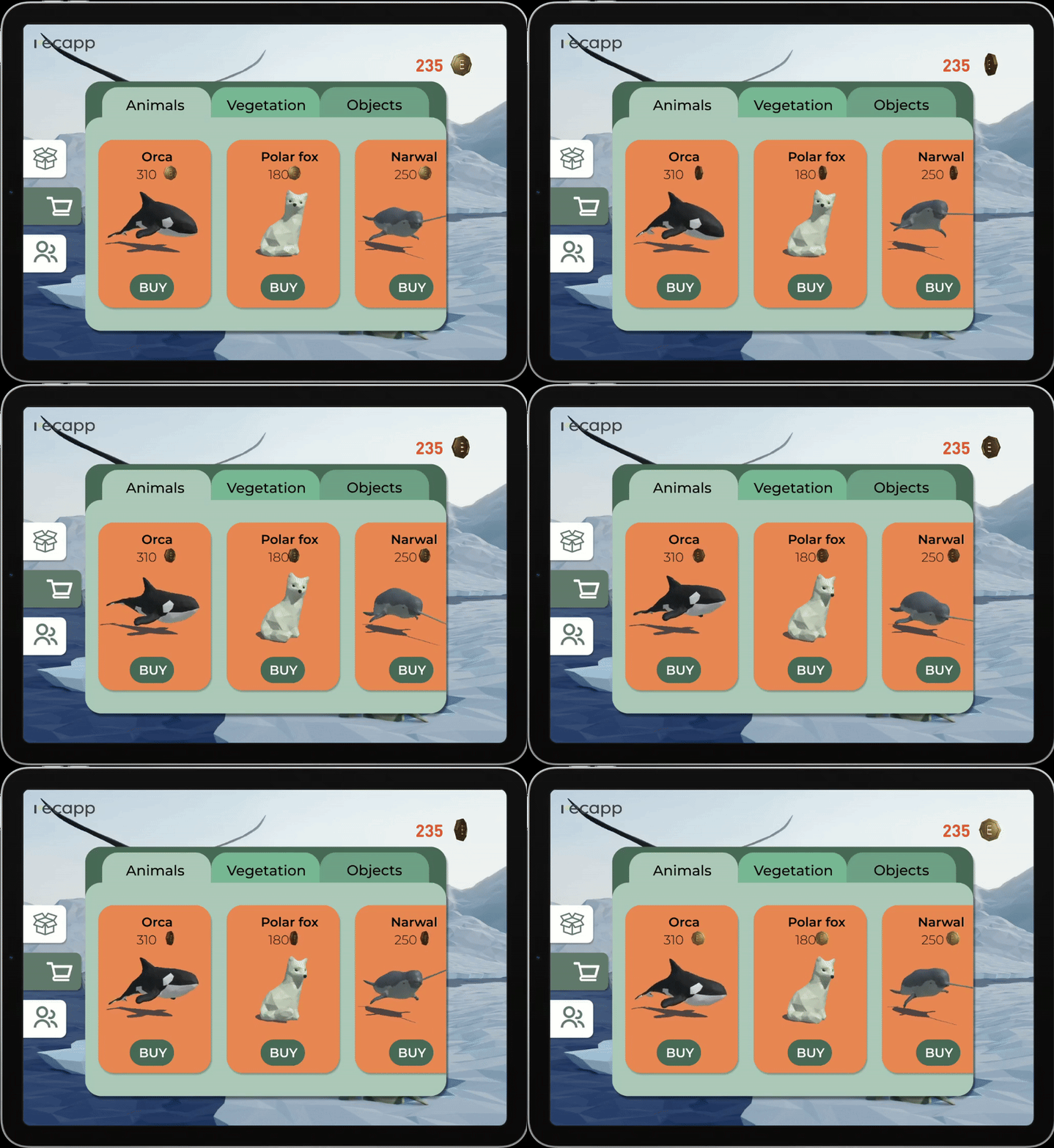
Ecotopia is the heart of RECAPP: a virtual world where residents build their own ecosystem using Ekkies earned by completing daily challenges. Those Ekkies are spent in the Ecotopia marketplace on animals, vegetation, and objects. All purchased attributes are stored in a personal catalogue, so when the environment changes at a new level, previously collected items can still be placed in the new world. One Ecotopia is shared per household, which keeps the competition between neighbors fair.

The game mechanics
5 challenges per day
Five challenges suggested each day in a mix of difficulty levels. Completing them earns Ekkies; level 1 challenges earn 10, level 2 earn 15, level 3 earn 20. The difference is intentionally small to keep motivation for easier challenges high.
25 levels, logarithmic scale
Easy to level up initially, harder as you go. The same daily challenge reappears at higher levels but earns fewer Ekkies, because it is no longer perceived as difficult. This is how challenges become maintenance behavior rather than effort.
Spend Ekkies on your world
Animals, vegetation, and objects for your Ecotopia. Prices range from 60 Ekkies (spider) to 450 Ekkies (plane wreck). All attributes are kept in a personal catalogue and can be placed across environments, even putting a camel into an ocean world if you like.
Neighbours' worlds
View other residents' Ecotopias to create healthy competition without direct comparison. There is no interaction between worlds to keep the experience simple. Users who prefer privacy can enable a private mode so their world is not visible to others.
Four biomes to unlock
Different environments are randomly assigned as users progress through the 25 levels, not tied to a specific level, so each user's journey looks different. This prevents change blindness and keeps the experience fresh. Once all environments have appeared, they cycle again at a larger scale so the world can keep growing indefinitely.
If a user stops progressing, they level down and their Ecotopia reflects it. Animals fly away, rivers run dry, attributes disappear. This creates gentle pressure to maintain habits without harsh punishment; the consequence is visual and personal, not a score or a warning.
Real-world rewards
Monthly achievements unlock tangible rewards: a choice from three options including e-bike subscription kilometres, an urban farming box, or access to workshops. This was a deliberate design choice to prevent the gamification from feeling hollow over time.
Purely digital rewards risk losing meaning when novelty wears off. Real-world rewards close the loop between virtual progress and real-life impact. The rewards are designed around a free trial model: by giving residents five e-bike kilometres or an urban farming box, partner businesses can let users experience their service firsthand without advertising.
Real-world rewards introduce a known risk: extrinsic motivation can crowd out intrinsic motivation. If users start completing challenges for the e-bike kilometres rather than for personal growth, the honor system becomes more vulnerable. This tension was addressed through constraints: rewards are only unlocked after a full month of goal completion, not after individual challenges. This keeps the daily loop intrinsically motivated through Ecotopia, while the real-world reward acts as a periodic bonus rather than the primary driver. The rewards themselves were also chosen to reinforce sustainable behavior (e-biking and urban farming, etc.) so even the extrinsic layer points back toward the core goal.
Monthly reflection
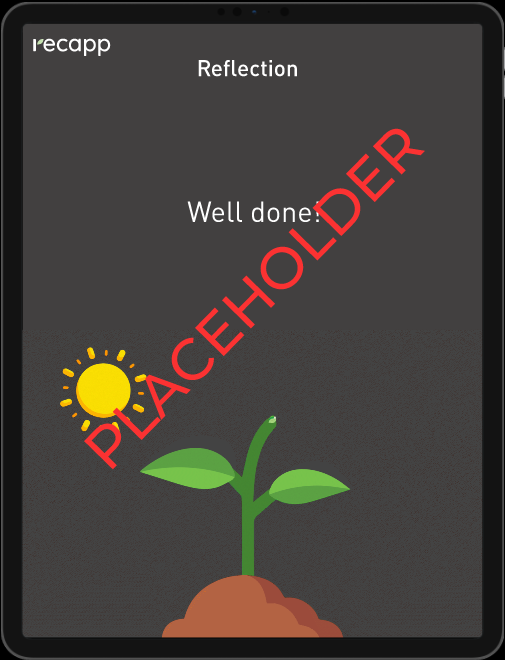
At the end of each month, users answer a short set of questions about their sustainability journey. Each answered question helps a seedling grow into a full plant: a visual metaphor connecting personal reflection to environmental growth.
Self-reflection strengthens learning and helps users internalise sustainable behaviors. Questions like "What was your biggest challenge?" create metacognitive awareness.
The reflection feature adds a crucial metacognitive layer: users don't just do sustainable actions — they think about them. This self-awareness is what transforms temporary challenges into lasting habits.